
Rising Rental Costs and Aging Housing Stock: A Critical Analysis of the Current Housing Landscape - wealthnmoregroup.com
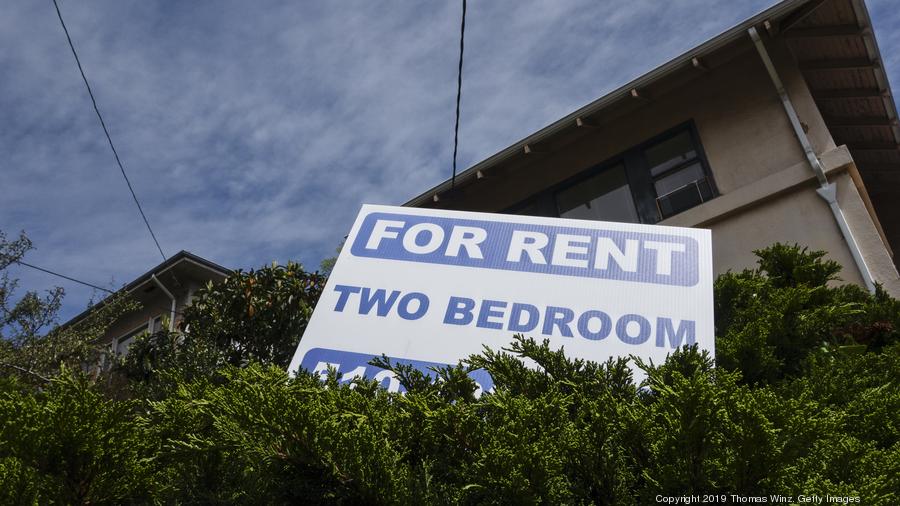
Rising Rental Costs and Aging Housing Stock: A Critical Analysis of the Current Housing Landscape
In recent years, the number of cost-burdened rental households in the United States has reached a staggering record high, with over 2 million more households spending more than 30% of their income on rent and utilities within a span of just three years. Despite a slight cooldown in the apartment market, the latest report from Harvard University's Joint Center for Housing Studies reveals a concerning trend.
The study indicates a significant increase in severely burdened households, where 12.1 million renters allocate more than half of their income to housing costs, marking an all-time high. Furthermore, the loss of approximately 2.1 million rental units priced below $600 since 2012 has impacted residual income, particularly for lower-income households. Among households earning less than $30,000, monthly residual income hit a record low of $310 in 2022, a 47% decline from 2001.
Amidst these challenges, the issue of homelessness has taken a disturbing turn, witnessing the largest single-year increase in 2022, with 653,100 individuals experiencing homelessness in the U.S. on a given night in January 2023.
Aging Rental Stock
One striking revelation of the Harvard study is the aging rental stock across America. In 2022, the median age of rental housing reached an unprecedented 44 years, raising concerns about safety and livability. A considerable 3.9 million renter households lived in homes not meeting basic suitability and safety standards in 2021, indicating a rise of 350,000 households over the past two decades.
Low-income, Black, and Hispanic households are disproportionately affected by residing in older rental properties, with 10% of Black and Hispanic renter households living in inadequate housing compared to 7% of white households and 6% of Asian households in 2021.
Addressing Challenges
Addressing these challenges requires substantial investment, with the Federal Reserve Bank of Philadelphia estimating a need for $51.5 billion to address repair concerns in existing U.S. rental housing. Ethan Handelman from the U.S. Department of Housing and Urban Development emphasizes the importance of not only constructing more housing but also repairing and preserving the existing inventory.
As climate change poses additional threats to housing, with 41% of occupied rental stock exposed to substantial weather- and climate-related risks, urgent measures are required. Chris Herbert, managing director of Harvard's JCHS, advocates for proactive policies that enhance the resilience of existing homes against severe weather events, particularly for low-income households.
In conclusion, the current housing crisis necessitates a comprehensive approach to address rising rental costs, aging housing stock, and the impact of climate change.
For those seeking real estate opportunities or discussions on navigating these challenges, feel free to reach out. Your insights and strategies can play a pivotal role in shaping the future of housing in these challenging times.
For Houston listings, click here.
Credit to Houston Business Journal: Source
Testimonials
"
She would literally answer any question I had no matter the times. She would literally answer any question I had no matter the times.
Sometimes I would be stuck in thought and text after 7 pm and she would always respond as if I’m not interrupting her life. She is literally the best person out there and if I decide to sell my house I’ll be looking for her to help me again . You will not be disappointed she is amazing.!
"
- Keice D.
"
I have been working with several realtors because I am doing small investment in different places. Each realtor is different, but we basically have only two types: working for client or working for themselves. She has done what she committed to do, which is very important. She proposed action/idea, rather than saying series of excuses to do nothing what does not bring any value to the client. She knows what she is doing, while we have several who does not know what they are going/saying while mouth is moving well. I know she is not like a person staying in the industry more than 40 years, but she is truly professional.
Real estate investment is not like push button investment deal. We need team to run for success. In this sense, we need proper person, which I believe I have now. I suggest you call and work with her.
"
- Takashi M.
"
"Was very lucky to be assisted by Alice during all the process of home purchase, she was very patient and following up all with all stakeholders involved (from lenders, house inspection as well as house walk around, suggesting proper homeowner insurance and up to signing process). She is very experienced and recommended one"
"
- Firda H.
"
I work with many agents across the Houston area. Alice Liang was extremely professional and prompt throughout the process. I would highly recommend Alice and look forward to working with her again.
"
- Neil M.
"
Working with Alice has been a pleasure. This is the second home she has helped us purchase. Both times Alice has shown that she is very passionate and dedicated to help you find a home that you love and help you along the entire process. We are so grateful!
"
- Lori M.
 The information being provided by Houston Association of REALTORS, Inc. is for the consumer's personal, non-commercial use and may not be used for any purpose other than to identify prospective properties consumers may be interested in purchasing. Any information relating to real estate for sale referenced on this web site comes from the Internet Data Exchange (IDX) program of the Houston Association of REALTORS, Inc. This web site may reference real estate listing(s) held by a brokerage firm other
